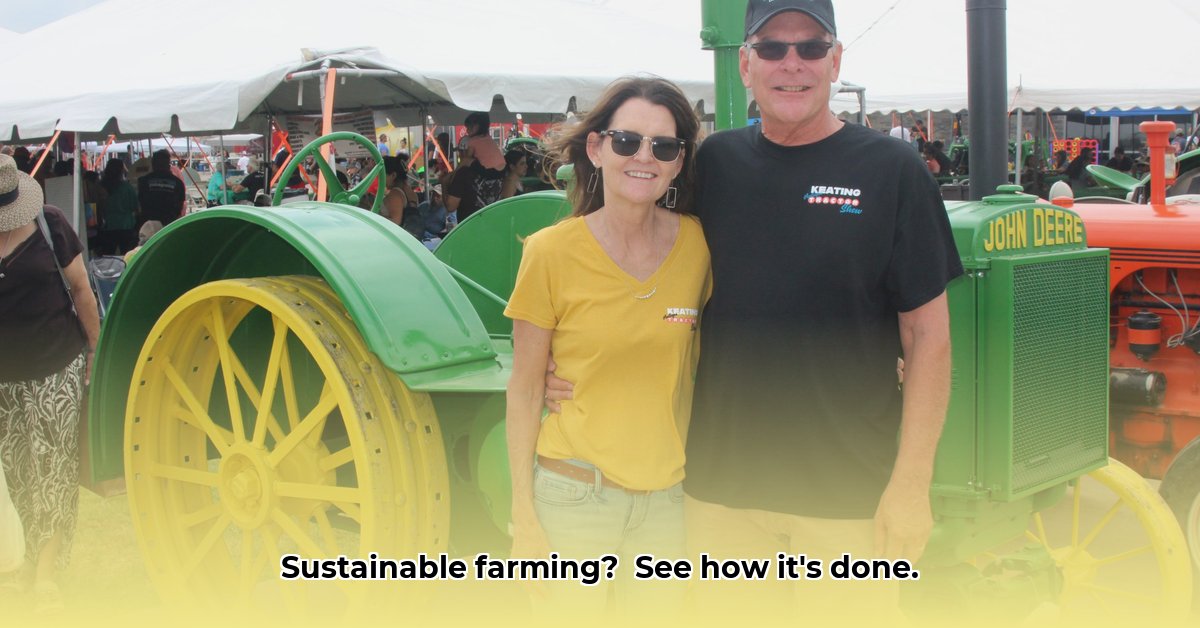
Keating Tractor: A 60+ Year Legacy of Supporting Kansas Farmers
For over six decades, Keating Tractor has been a cornerstone of the Liberal, Kansas farming community. More than just a supplier of agricultural equipment, Keating Tractor has cultivated deep relationships with farmers, providing not only the machinery but also the expertise and support necessary for sustained success. Their enduring success serves as a compelling case study in the importance of reliable equipment, proactive maintenance, and a resilient supply chain in modern agriculture. But how has Keating Tractor achieved this enduring success, and what lessons can other farmers learn from their experience? How can we ensure our farms remain profitable and sustainable for generations to come?
More Than Just Machines: The Economics of Reliable Equipment
Downtime on a farm is devastating. A single day of inactivity due to equipment failure can translate into significant financial losses – hundreds, even thousands, of dollars. This isn't just a hypothetical concern; it's a stark reality for many farmers. Keating Tractor understands this intimately. Their commitment to readily available parts and a team of expert technicians minimizes downtime, ensuring that farmers can keep their operations running smoothly. This proactive approach translates directly to higher yields, improved farm management, and enhanced profitability. A well-maintained tractor isn't just a piece of equipment; it's an investment paying dividends year after year. Wouldn't you agree that prioritizing reliable equipment is vital for long-term farm sustainability?
Navigating Supply Chain Uncertainty: Building Resilience
The global agricultural landscape is increasingly complex. Global events, material shortages, and even climate change all impact the stability of the supply chain. Securing necessary parts for timely repairs can become a major challenge, creating uncertainty for farmers. How then, can we mitigate the risks associated with supply chain disruptions? A key strategy lies in diversification. By establishing relationships with multiple parts suppliers, farmers build a resilient backup system. This strategic approach provides a critical buffer against unforeseen delays, ensuring consistent access to essential components. Building a strong network of reliable suppliers provides a critical cushion. This is more than just business; it's about building trust and partnerships within the community.
Preventive Maintenance: A Step-by-Step Guide to Protecting Your Investment
Preventive maintenance, far from being merely occasional checkups, is a proactive strategy for maximizing the lifespan and efficiency of your equipment. Regular maintenance specifically tailored to your Keating Tractor aids in identifying and addressing minor issues before they escalate into costly failures. It's akin to preventative healthcare, where early intervention is far more effective and less expensive than emergency repairs. Here’s a practical approach:
Detailed Logbook: Maintain a meticulous logbook tracking all maintenance activities and repairs. This enables continuous monitoring of your tractor's health and facilitates the identification of potential trends.
Scheduled Inspections: Adhere strictly to the manufacturer's recommended inspection schedule. Regularly scheduled checkups are paramount.
Prompt Action: Never ignore minor issues. Address them promptly to prevent them from developing into more significant problems.
Meticulous Records: Keep accurate records of all repairs, replacements, and maintenance procedures. This significantly aids in future troubleshooting.
Invest Wisely: Consider investing in advanced diagnostic tools for early detection of potential problems. This translates to significant long-term cost savings.
Sustainable Practices: Farming for the Future
Sustainable agriculture encompasses more than just efficient equipment; it involves responsible resource management. This includes the entire lifecycle of your tractor, from initial purchase to eventual disposal. How can we minimize its environmental impact? Investing in energy-efficient models, participating in parts recycling programs, and supporting manufacturers committed to sustainability are all critical steps. The future of agriculture depends on balanced equipment maintenance and a robust supply chain. Proactive adaptation to evolving challenges through strategic planning and careful resource management are essential not only for individual farm success but also for global food security.
Key Takeaways:
- Reliable equipment is a cornerstone of farm profitability. Downtime translates directly to financial losses.
- Supply chain resilience is paramount. Diversifying suppliers mitigates the risks of disruptions.
- Preventive maintenance is a cost-effective long-term strategy. Identifying and addressing small issues prevents costly failures.